





On June 3, President Trump signed an executive order to strengthen customs enforcement, targeting foreign importers of record without U.S. assets. U.S. agencies will increase vetting, penalties, and compliance to prevent imports of "unlawful and dangerous goods," ensure importers of record "are correctly identified and accountable for duties owed,” and enforce compliance with federal laws.
Read More
Posted On
June 18, 2026
Source
USTR Calls EUDR A Non-Tariff Trade Barrier
In a recent interview about the status of the U.S.-EU trade agreement, the U.S. Trade Representative discussed non-tariff barriers, noting that the EU Deforestation Regulation (EUDR) negatively targets U.S. businesses and their exports, even though the U.S. has clean manufacturing, abundant forests, and first-class forestry practices. The U.S. continues to push the EU to ease environmental trade barriers.
Read More
Posted On
June 18, 2026
U.S. Imports Of Hardwood & Decorative Plywood Fall
The most recent data shows that U.S. imports of hardwood and decorative plywood are down by more than 36% in volume and 23% in value for the first four months of this year. Imports from Indonesia, Vietnam, and China declined by nearly 70%, 61%, and 66%, respectively. During the same period, imports from Malaysia and Cambodia surged by 175% and 650%.
Read More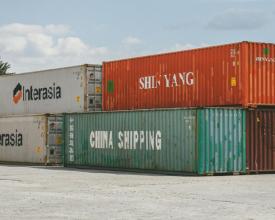
Posted On
June 18, 2026
DHA eNews – U.S. Imports Of Hardwood & Decorative Plywood Fall
Decorative Hardwoods Association (formerly HPVA) eNews Volume XIX, Issue XII: U.S. Imports Of Hardwood & Decorative Plywood Fall | USTR Calls EUDR A Non-Tariff Trade Barrier | U.S. Strengthens Trade Enforcement | DHA Launches New Where To Buy Membership Directory
Read MorePosted On
June 04, 2026
USTR Announces New 301 Duties
On June 2, the Office of the U.S. Trade Representative announced its findings and proposed remedies for countries that fail to prevent imports of products made with forced labor under Section 301 of the Trade Act of 1974. According to the USTR, 6 economies, including Canada, Mexico, the EU, and Indonesia, have failed to effectively enforce prohibitions on imports of goods produced with forced labor, resulting in a 10% proposed tariff.
Read More