




DHA eNews – U.S. Imports Of Hardwood & Decorative Plywood Fall
We appear to be seeing the impacts of the preliminary antidumping and countervailing duties on imports of hardwood plywood from China, Indonesia and Vietnam. After spikes in recent years, there are significant declines in imports from these countries. However, we may also be starting to see the signs of transshipment through other Asian countries, including Malaysia, Cambodia, and Thailand.
Last week I spoke about DHA activities, including advocacy, marketing, and our standards, at the Canadian Hardwood Plywood and Veneer Association (CHPVA). Many members of CHPVA and DHA spoke about the importance of partnerships and being engaged in the industry associations. Please contact me to talk about the benefits of membership in DHA.
One of the many benefits of membership in DHA is our popular Where to Buy membership directory, which receives thousands of views from buyers and specifiers every year. This year, we completely revamped the Where to Buy, converting it to a modern searchable online database to showcase the breadth of American-made decorative hardwoods and direct more potential buyers right to our members' businesses.
If you have questions or comments, contact me. I look forward to hearing from you.

Keith A. Christman, President
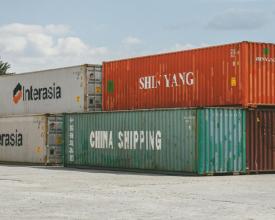
The most recent data shows that U.S. imports of hardwood and decorative plywood are down by more than 36% in volume and 23% in value for the first four months of this year. Imports from Indonesia, Vietnam, and China declined by nearly 70%, 61%, and 66%, respectively. During the same period, imports from Malaysia and Cambodia surged by 175% and 650%.
In a recent interview about the status of the U.S.-EU trade agreement, the U.S. Trade Representative discussed non-tariff barriers, noting that the EU Deforestation Regulation (EUDR) negatively targets U.S. businesses and their exports, even though the U.S. has clean manufacturing, abundant forests, and first-class forestry practices. The U.S. continues to push the EU to ease environmental trade barriers.
On June 3, President Trump signed an executive order to strengthen customs enforcement, targeting foreign importers of record without U.S. assets. U.S. agencies will increase vetting, penalties, and compliance to prevent imports of "unlawful and dangerous goods," ensure importers of record "are correctly identified and accountable for duties owed,” and enforce compliance with federal laws. Last month, DHA signed a letter encouraging Congress to pass legislation to increase enforcement.
DHA's popular Where to Buy membership directory has been transformed into a fully interactive online platform. The Where to Buy, which already receives thousands of views from buyers and specifiers every year, highlights the wide range of North American decorative hardwoods while directing more potential buyers to DHA members' businesses.
The FY 2027 Interior, Environment, and Related Agencies Appropriations Act, approved by the House Appropriations Committee on June 3, would increase funding for forest products from $39 million to $45 million. The bill includes $185 million for hazardous fuels management and policy provisions to reduce regulatory burdens and delays.
The House Appropriations Committee approved a DHS funding bill that would allow seasonal employers to hire H-2B workers up to their previous peak staffing levels, without those workers counting toward the annual visa cap.
On June 12, the U.S. International Trade Commission determined that revoking countervailing and antidumping duties on wood mouldings and millwork products from China would likely lead to continuation or recurrence of injury to U.S. industry. The ITC ruled that current duties on these imports will continue.
U.S. Customs and Border Protection said that phase 3 of its refund program for import duties collected by the Trump administration under the International Emergency Economic Powers Act (IEEPA) will be limited to companies with pending appeals before the Court of International Trade. The Trump administration has appealed a court order requiring tariff refunds.
"China can come in and buy our lumber, our trees, and cut our trees, put them on ships, ship them back, mill them, make cabinets out of them, the same that we make here, and then ship them back and they undercut our prices," said Alabama Senator Tuberville. "We need to tariff the hell out of China."
Alabama cabinetmaker Legacy Cabinets officially went out of business on June 6, leaving hundreds of people without jobs. The company said that "the decision to close was not made lightly and follows an exhaustive effort to uncover any potential pathway to continue operations."
The decline in U.S. cabinet manufacturing continues, according to research conducted by the Kitchen Cabinet Manufacturers Association. Cabinet sales volume fell by 10.3% year to date through April. The dollar value of cabinets sold dropped by 7.6%.
The experts at Capital Testing have documented how to certify to the American National Standard for Hardwood and Decorative Plywood, ANSI/HPVA HP-1, which establishes agreed-upon marketing classifications, quality criteria, test methods, and definitions for decorative and hardwood plywood.
The U.S. Forest Service treated 35% less land for wildfire mitigation in 2025 than in the previous year. Wildfire mitigation includes tree thinning, brush clearing, and prescribed burning.
Rising temperatures and extreme drought may overwhelm the Trump administration's plans to mitigate wildfires by increasing logging in federal forests. Scientists say that large-scale logging and thinning won't prevent or reduce wildfires during the drought that's affecting nearly 60% of the U.S.
The U.S. Forest Service's proposed new management strategy for three national forests in Northeastern Oregon could more than triple commercial logging in the next two decades.
What is one of the latest tactics scientists are using to save American elm trees from the devastating effects of Dutch elm disease?